

Siding Dilemma: Should You Repair It or Replace It?
If you’re a homeowner in the Midlands of South Carolina, you know how important your home’s exterior is in our hot, humid climate. One big part of home exterior maintenance is taking care of your siding. When your siding starts looking worse for wear, you might wonder: do I need a simple siding repair or a full siding replacement? This is a common dilemma in home exterior maintenance, and making the right choice can save you money and headaches down the road. In this post, we’ll chat about the common signs that your siding needs attention, when repairs make sense, and when replacement is the smarter investment. We’ll also consider factors like cost, energy efficiency, curb appeal, and even local climate considerations here in South Carolina. By the end, you’ll have a clearer idea of what your siding really needs. Let’s get started!
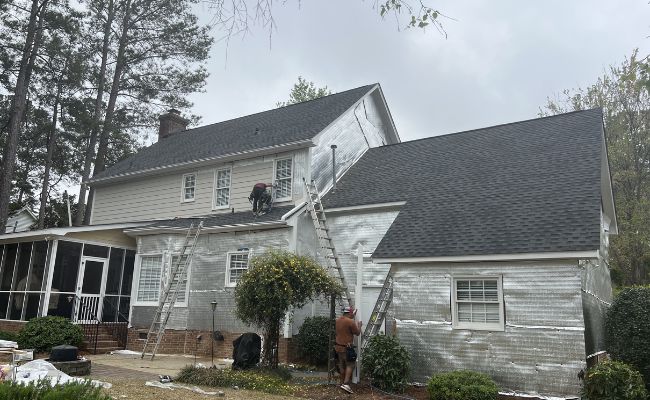
Signs Your Siding Needs Attention
Cracks, Warping, or Rotting:
Take a walk around your home and inspect the siding. Do you see cracked panels, warped boards, or even rot? Even small cracks can indicate bigger problems beneath. If a wooden siding board feels soft or gives way when you poke it, rot has set in and water may be infiltrating. Warped or buckling siding boards are also red flags that moisture has gotten behind them. These issues can compromise your home’s protection from the elements.
Blisters or Bubbles Under the Surface:
If you notice any bubbling or blistered areas on your siding, take note, this is often a red flag. Bubbles or blisters in siding indicate that water has become trapped under or within the siding. Since siding’s job is to keep moisture out, seeing blisters means it’s no longer doing its job effectively. This kind of moisture problem usually warrants closer inspection and likely replacement of the affected siding sections.
Fungus, Mold, or Mildew:
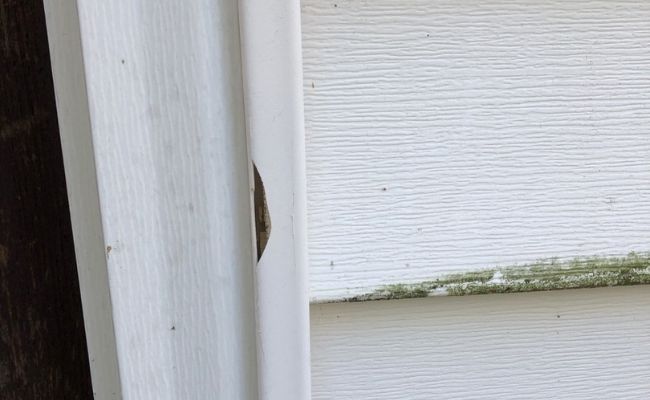
Any green or black spots of mold and mildew on your siding, especially near seams or the base of the wall, can signal trouble. These growths thrive on moisture, so their presence could mean water is seeping into or behind your siding. Not every little patch of mildew is an emergency (sometimes it’s just on the surface), but persistent mold or mildew stains are worth investigating. They might indicate leaks or less obvious damage that needs repair before it spreads.
Loose or Missing Siding and Rusty Nails:
After a storm or high winds, do a quick check around your house. If you find pieces of siding have come loose or fallen off, or if you spot nails that are rusted or popped out, your siding’s integrity is compromised. Rust streaks running down from nail heads are a sign of moisture getting in and nail corrosion. Siding that isn’t firmly attached can catch the wind like a sail and potentially peel off in the next storm. Tightening up small sections is a repair you can do, but if large areas are loose or panels keep coming off, it might be time to think about a more permanent fix.
Severe Fading or Peeling Paint:
Over time, siding color can fade due to sun and weather exposure. If your once-vibrant siding is now bleached out and chalky, it’s a sign the protective finish is breaking down. For painted wood or fiber-cement siding, paint that is peeling, flaking, or frequently needing repainting is a major clue something’s wrong. Most home exteriors only need repainting every 8-10 years. If yours is peeling after just 3-5 years, the siding underneath may be deteriorating and not holding paint. Fading or peeling is a cue to assess the siding’s condition and consider an upgrade before more serious issues occur.
Interior Paint Peeling or Wallpaper Bubbling:
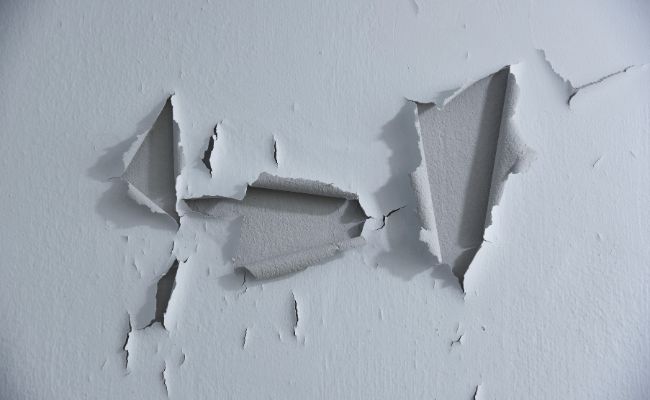
Sometimes, the signs of siding trouble appear inside your house. If you see paint peeling or wallpaper blistering on interior walls, especially exterior-facing walls, it could mean moisture is entering through bad siding and wreaking havoc from the inside out. This kind of interior damage often points to siding that has failed to keep water out, a clear indicator that repair or replacement is needed.
Higher Energy Bills or Drafts:
Have your heating and cooling bills crept up unexpectedly? Your siding (along with insulation) helps insulate your home. If siding panels have gaps, cracks, or have pulled away from the house, your conditioned air can leak out and outside air can seep in. Old or damaged siding doesn’t insulate well, and that will be reflected in your energy bills. So, if you notice spikes in your energy costs and you’ve ruled out issues with your attic, windows, or insulation, take a closer look at your siding, it might be the culprit causing those drafts.
In short, any visible damage or signs of water intrusion in your siding are cause for concern. Minor issues can often be repaired, but extensive problems (or multiple small issues occurring together) often signal that your siding is nearing the end of its service life.
When Siding Repairs Make Sense
Not every siding issue means you have to pull it all off and start fresh. In many cases, a targeted repair is all you need. Here are scenarios when repairing your siding makes perfect sense:
Minor or Isolated Damage:
If the damage is limited to a small area, a repair is usually the quickest and most cost-effective solution. For example, maybe a single vinyl panel cracked from a stray baseball or got chipped by a flying branch. In such cases, you (or your contractor) can simply replace or patch that section without disturbing the rest. Vinyl siding is designed to be modular, so individual panels can be swapped out to restore your facade quickly. Likewise, fiber cement planks can be replaced one or two at a time if needed. If the siding overall is in good shape, fixing small sections is a smart move that saves you money and extends the life of your siding.
Newer Siding with a Few Flaws:
Consider the age and condition of your siding. If your siding is relatively new (say well within its expected lifespan) and you just have a couple of trouble spots, repair is likely the best route. There’s no sense in ripping out all your siding if 90% of it is still doing its job. For instance, quality vinyl siding can last 20-30 years or more and James Hardie siding can last 50 years or more. If you’re only 10 years in and experience a one-off issue (like storm damage on one wall), it makes sense to fix that rather than replace everything. In short, age matters, newer siding with isolated issues = repair it.
Cost Considerations (Short Term):
Repairing is often much cheaper up front than a full replacement. You’re paying only for the materials and labor to fix a specific area, rather than all new materials for the whole house. If you’re on a tight budget right now, repair can buy you some time. Patching up minor damage and maybe applying a fresh coat of paint (for wood or fiber cement) can tide you over for a while at a fraction of the cost of total replacement. Home improvement experts note that patching small siding issues is a quick, cost-effective solution that saves money in the near term. Just keep in mind that this is usually a temporary fix.
Maintaining a Look:
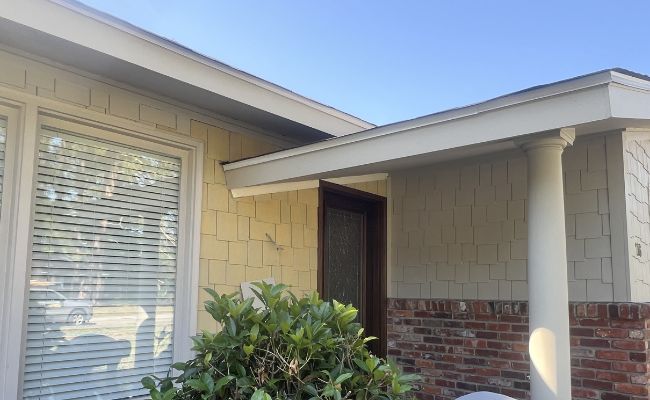
Perhaps you love the look of your current siding and just want to maintain it. If a small repair will preserve your home’s appearance and you’re not ready for a change, that’s a valid reason to go the repair route. This is especially true if the damaged area can be patched and painted to blend in with the rest (common with wood or fiber cement siding). As long as the underlying structure is sound, you can keep your home’s current style going strong with periodic repairs.
When you opt for repairs, remember to do it promptly once you spot an issue. A cracked board or missing section can let water in, and unaddressed minor damage can lead to bigger problems over time. Also, be aware that repair isn’t a cure-all. It might mask symptoms of deeper issues. For example, if there’s hidden water damage or rot behind the siding, you might not discover it by just fixing a surface crack. So, use repairs for what they are, a way to mend surface-level problems when the overall siding is still in good condition.
When It’s Time to Replace Your Siding
At a certain point, repairing bits and pieces of your siding isn’t enough. Here are telltale signs and situations where siding replacement is likely the smarter investment:
Widespread Damage or Deterioration: If problems with your siding are extensive, think large sections of rot, many cracks, or warped boards on every wall, it’s time to seriously consider a full replacement. When more than just a couple small areas are in bad shape, the cost and effort of numerous repairs can add up quickly (and may still leave you with mismatched patches). Widespread issues often indicate that the siding has failed as a system. For example, if water has penetrated in multiple spots or the material is breaking down due to age, a patch job won’t stop the domino effect. In this case, replacing all the siding will ensure your home is fully protected and looking uniform.
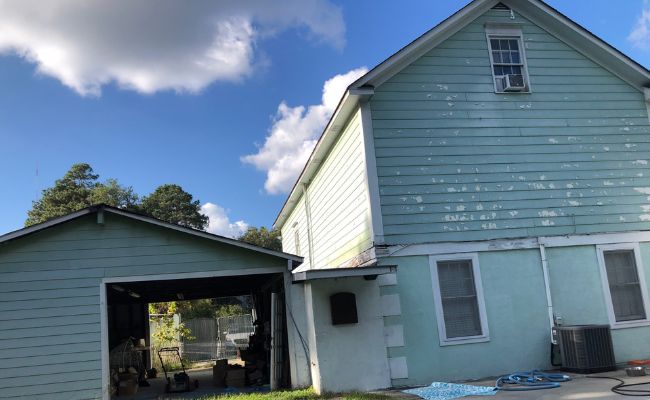
Siding Near or Past Its Lifespan: As we mentioned above, siding lifespan varies, vinyl lasts about 20-40 years, fiber cement 30-50, and wood 15-30 (with care). If yours is near or past that range, replacement is often the smarter move. Older siding becomes brittle, faded, and less protective; vinyl may crack or warp after decades in the sun. Instead of chasing repairs, investing in new siding, much like replacing an aging roof, offers a fresh start and long-term peace of mind.
Frequent Repairs and High Maintenance: Are you finding yourself fixing your siding every year or constantly repainting it? That’s a strong sign the siding is just too far gone. For example, if paint is peeling every couple of years, the material underneath might be deteriorating. Similarly, if you’ve had to replace many individual boards or panels in various places, the cumulative cost of those fixes might already be significant. Rather than continuing to pour money into spot repairs, it can be more cost-effective long-term to do a full replacement. New siding will significantly cut down on maintenance (especially if you choose a low-maintenance material like vinyl or fiber cement with baked-on color). When maintenance starts to become a constant headache, it’s another sign that re-siding is the better choice.
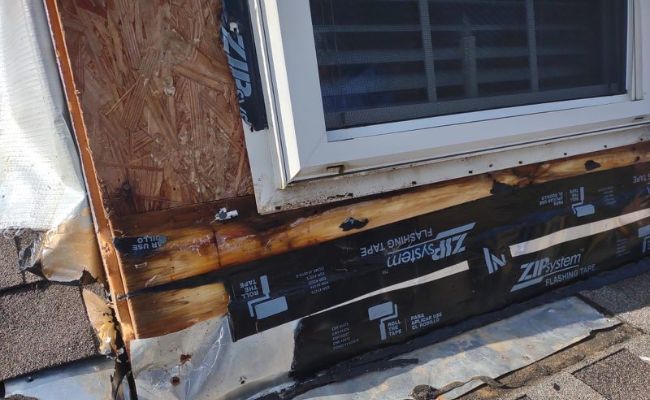
Underlying Structural Issues: Sometimes the need for new siding goes beyond just the siding itself. If inspections reveal issues like rotted sheathing (the wood layer beneath the siding) or persistent leaks into walls, you will likely need to remove siding to properly fix those problems anyway. In such cases, it often makes sense to replace the siding after repairing the underlying structure. There’s little point in putting old siding back up if it was part of the failure. New siding, plus a proper moisture barrier and flashing, will protect your home much better moving forward. Essentially, when siding problems are tied to deeper issues with your home’s envelope, doing a full replacement ensures everything gets put back together correctly.
Desire for Improved Appearance or Efficiency: Even if your siding isn’t totally falling apart, you might choose replacement as an upgrade. New siding can dramatically improve your home’s curb appeal and even its value. If the current siding looks outdated, faded, or just doesn’t suit your taste, installing fresh siding gives your home a makeover. This is especially relevant if you’re planning to sell in a few years, new siding can grab buyers’ attention and increase your property value. In fact, siding replacement is known to offer a strong return on investment. National data show that replacing old siding with new vinyl siding recoups around 80% of the cost in added resale value, and fiber-cement siding replacement can recoup around 88% of its cost. Beyond looks, a full replacement also lets you upgrade the performance of your home’s exterior. You can add better insulation or house wrap, eliminate all those little leaks and drafts, and possibly switch to a more durable material. The result is often better energy efficiency (lower utility bills) and a more beautiful home at the same time.
Replacement is the better route when your siding is old, extensively damaged, or no longer cost-effective to maintain. Yes, it’s a bigger upfront investment than a patch job, but it pays off in reliability, comfort, and curb appeal. You won’t have to worry about constant repairs, and your home will be better protected. Think of it as trading in a clunky old car for a new model, fewer breakdowns, better performance, and it just looks and feels so much nicer.
Considering South Carolina’s Climate
Life in the Columbia/Midlands means your siding battles triple threats: relentless summer heat, year-round humidity and those surprise afternoon downpours. Wood can swell, warp or rot under that combo, so many homeowners switch to vinyl or, better yet, James Hardie fiber-cement. Vinyl shrugs off moisture and insects but can still soften or even melt when the sun beats down or a grill parks too close. Fiber-cement stays rigid in scorching temps and won’t rot, mold or invite termites, making it a solid long-term shield in our HardieZone™ 10 climate.
Then come the storms. Severe thunderstorms, stray tornadoes and the outer bands of hurricanes send debris and 100-plus-mph winds our way. Thinner, older vinyl panels can crack in hail or rip loose in high gusts, while fiber-cement products are rated for winds up to 150 mph and resist most hail dings. If you keep patching warped vinyl, re-caulking seams or replacing storm-damaged boards, it may be time to swap to a sturdier siding built for South Carolina’s heat, humidity and volatile weather, saving you repairs and headaches down the road.
Cost, Energy Efficiency, and Curb Appeal Considerations
Before we wrap up, let’s quickly touch on a few additional factors that play into the repair vs. replace decision: cost, energy efficiency, and curb appeal.
Cost, Short Term vs. Long Term: Budget is often the deciding factor in home improvement decisions. In the short term, siding repair is almost always cheaper than a full replacement. If you only need to buy a few new planks or panels and pay for a couple hours of labor, you might spend just a few hundred dollars on a small repair. Re-siding an entire house, by contrast, is a several-thousand-dollar project. However, you have to consider the long-term costs. If your siding is in bad shape, you could end up paying for multiple repairs over a few years, which might collectively approach the cost of a new siding job without giving you the same lasting benefits. Replacement is a bigger one-time expense, but it essentially “resets the clock” on your siding’s lifespan and often comes with robust warranties. Also, new siding can save you money down the road on maintenance and even utilities (more on that next). Many homeowners find that replacement pays off over time, whereas constant repairs can feel like throwing money at a losing battle. It’s a good idea to get estimates for both repair and replacement if you’re on the fence, sometimes the price difference isn’t as huge as you’d expect, especially if the repair work needed is extensive. And as mentioned earlier, new siding can raise your home’s value significantly, recouping an estimated 80% or more of its cost in added value on average. That’s something to factor into the cost equation as well.
Energy Efficiency: Siding isn’t just for looks, it plays a role in insulating your home. Damaged or old siding often has gaps or lacks the insulating properties of newer materials. This can lead to drafts and make your HVAC system work overtime. If you’ve noticed your energy bills creeping up, your siding could be part of the problem. On the flip side, installing new siding can improve your home’s energy efficiency. For one, you have the chance to add insulation (for example, insulating foam boards under the new siding, or choosing insulated vinyl siding which has foam backing). This helps by reducing thermal bridging, that’s when heat or cold from outside travels through the wall studs and into your home. Insulated siding adds a blanket over those studs, cutting down on heat loss or gain. Additionally, new siding installation usually includes wrapping the house with a modern moisture barrier or house wrap, which also doubles as an air barrier. That means fewer air leaks. According to home improvement experts, newer siding with proper insulation can keep your home cooler in summer and warmer in winter, reducing energy usage for cooling and heating. So while energy efficiency might not be the first thing you think of with siding, it’s definitely a practical benefit. If you’re leaning towards replacement, it’s a great opportunity to make your home more comfortable and efficient. And if you’re doing a repair, consider at least sealing up any obvious gaps and checking that your insulation is adequate in the wall behind that area.
Curb Appeal and Home Value: Finally, let’s talk about looks and value. Siding is one of the most visible features of your home’s exterior. Curb appeal can significantly affect your enjoyment of your home (who doesn’t love coming home to a house that looks great?) and your property value. If your siding is faded, dingy, or has patchy repairs, it can really drag down the appearance of your home. On the other hand, fresh, well-maintained siding can make even an older home look new again. Home real estate pros consistently mention siding as a key factor in first impressions. Well-kept, high-quality siding “significantly influences your home’s curb appeal and property value”. If you’re planning to sell in the not-too-distant future, consider that new siding is a strong selling point; buyers know they won’t have to deal with siding issues for a long time, and the home will likely look more attractive next to one with older siding. Even if you’re not selling, you might simply want to enjoy the pride of a beautiful exterior. Choosing to replace siding gives you a chance to update your home’s style, maybe switching colors or siding styles (from horizontal lap to shingle style, etc.) to better suit your taste. On the flip side, if your siding is generally okay and just has one ugly spot, a repair and a paint touch-up might restore the beauty without the bigger expense. It really comes down to how much the condition of your current siding bothers you aesthetically, and what investment will give you the outcome you want. But don’t underestimate curb appeal; it’s not just about vanity, it’s about protecting the value of what is likely your biggest investment, your home.
Throughout this decision process, weigh these factors together. Sometimes it’s worth spending more now for a replacement to gain savings, comfort, and value in the long run. Other times, a simple repair achieves your goals without overspending. Every home is different.
Deciding between repairing or replacing your siding can feel overwhelming, but you don’t have to figure it out alone. If you’re still unsure what your siding really needs, consider reaching out for a professional opinion. Here at Rennison Roofing and Exteriors, we’re happy to help homeowners in the South Carolina midlands make the best choice for their homes. Our team can provide a free siding inspection or consultation, letting you know whether a quick repair will suffice or if your home would be better off with new siding. We pride ourselves on a friendly, no-pressure approach. Our goal is to help you protect and beautify your home, not to push unnecessary work. So, if you have questions about your siding or want an expert eye on those problem spots, feel free to give us a call or contact us online. We serve both residential and commercial clients throughout the region, and we’d be honored to assist you. Protect your home’s exterior and keep it looking its best. Let’s figure out what your siding needs, together!