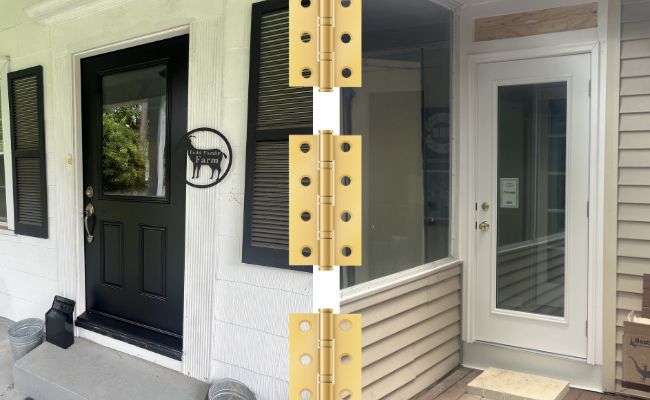
Choosing the Perfect Front Door:
Picking Your Materials and Installation Type
Your front door does more than welcome guests—it’s a statement piece that protects your home, boosts energy efficiency, and compliments your home’s curb appeal. But with so many options out there, finding the perfect front door can feel overwhelming.
From choosing the right materials for durability and style to understanding what a proper installation should look like, a little insider knowledge can go a long way. In this guide, we’ll break down what you need to know about which materials to look for in your next front door and how to decide between prehung and door replacement kits.
Ready to move forward with your door installation? Contact a professional door installation contractor and get your new front door installed right the first time!
Choosing the Right Material for Your Front Door
Selecting the right material for your front door is essential for balancing aesthetics, durability, energy efficiency, and security. Here’s what you need to know about the three most popular choices: wood, fiberglass, and steel.
Wood: Classic Style with a Natural Feel
Wood doors are timeless and offer a traditional look that instantly elevates your home’s curb appeal. Wood doors can be customized with intricate designs, stained finishes, and unique paneling. However, there are a few considerations when choosing a wood door:
- Strength and Durability: While solid wood doors provide a heavy, secure feel, they’re also more susceptible to wear from the elements, especially in humid or wet climates. Regular maintenance, such as staining and sealing, is essential to prevent eventual warping or rotting.
- Aesthetic Appeal: Wood’s natural texture and grain make it a favorite for homeowners seeking a high-end, warm appearance. Styles range from rustic to modern, allowing for a variety of looks.
- Energy Efficiency: Depending on the type of wood and the door’s construction, wood doors can be reasonably energy efficient. Heavier hardwoods can provide decent insulation and a well fitted door with weather stripping will do a good job of blocking drafts.

Fiberglass: Durable, Low-Maintenance, and Energy-Efficient
Fiberglass doors are a popular choice for homeowners who want the look of wood without the maintenance. These doors are engineered to withstand various weather conditions and typically last longer than wood doors.
- Strength and Durability: Fiberglass doors are highly durable and resistant to dents, scratches, warping, and cracking. They perform well in all climates and can stand up to moisture, heat, and cold without showing wear.
- Aesthetic Flexibility: Fiberglass can mimic the look of real wood, right down to the grain texture, so you can enjoy the beauty of a wood-look door without the upkeep. Available in a wide range of colors and styles, fiberglass doors are a versatile choice for any home.
- Energy Efficiency: Many fiberglass doors have an insulated core, making them one of the most energy-efficient options. This helps keep your home comfortable year-round while potentially reducing energy bills.

Steel: Secure, Affordable, and Strong
Steel doors are known for their exceptional strength, offering a high level of security and durability at a more affordable price point than wood or fiberglass.
- Strength and Durability: Steel doors are among the toughest options, providing a secure barrier that’s difficult to break through. While steel doors are highly dent-resistant, they may require touch-ups if scratched to prevent rust.
- Aesthetic Options: Though not as versatile as wood or fiberglass, steel doors still come in a variety of finishes, including smooth and embossed wood-like textures. They are often painted in factory-applied finishes that resist fading and wear.
- Energy Efficiency: Most steel doors have an insulated foam core, which offers good thermal insulation. Combined with quality weatherstripping, steel doors help maintain interior temperatures and keep drafts out.

Prehung Doors vs. Door Replacements: Which is Right for You?
When it comes to installing a new front door, there are two main options: prehung doors and door replacements.
Prehung Doors: A Complete Package
A prehung door is a door that comes attached to its own frame, complete with hinges and, in some cases, pre-installed weatherstripping and hardware cutouts. This means you’re not just buying the door; you’re getting the entire setup, which is ready to install directly into your wall opening.
When to Choose a Prehung Door:
- Damaged or Worn Frames: If your current door frame is warped, cracked, or no longer provides a secure fit, a prehung door is the better choice. It includes a brand-new frame, ensuring that the door will hang properly and seal securely.
- New Construction or Major Renovations: For new construction projects or major renovations, a prehung door is ideal. It’s designed to fit directly into the rough opening in the wall, making it a straightforward option for new builds.
- Easier Weatherproofing: Prehung doors often come with weatherstripping built into the frame, which can provide a tighter seal and improve energy efficiency.
Prehung doors are essentially a “door and frame in one” solution, making them ideal for situations where you need a fresh start with both the frame and the door.
Door Replacements: Keeping the Existing Frame
A door replacement, sometimes called a “slab” or “blank” door, is simply the door itself—without any frame, hinges, or hardware. While this might sound like a simple installation - reality is often a bit more complicated. Replacement slabs need to be fitted to your opening, a process that requires precise measurements and some specialized tools. Unless you are a confident and well-equipped DIYer, we recommend working with a door installation contractor.
Importantly, door replacements can only be performed if your current door frame is in good condition. If this is the case - excellent! If, however, your door frame is warped, cracked, or has any areas that are showing signs of rot, then your best bet is a prehung door.
Which Option is Right for You?
Choosing between a prehung door and a door replacement depends on the condition of your existing frame and the level of change you’re looking to make.
If you’re looking to start fresh, want the largest number of options, and weather stripping that keeps the wind out, then prehung is the choice for you. However, if your frame is solid and you just want a quick update, a door replacement can be a good choice.
Ready for a New Front Door? Here’s How to Get Started
Choosing the right front door is about more than just style—it’s about making a smart investment in your home’s security, energy efficiency, and curb appeal. By understanding your options for materials and installation style, you’re already well on your way to finding the door that’s perfect for you.
Whether you decide on a sturdy wood, durable fiberglass, or secure steel door, and whether you go with a prehung door or a replacement slab, the next step is to talk with a professional contractor. With the right expertise, you’ll ensure that your front door is installed correctly, looks stunning, and performs at its best for years to come.