Common Roof and Siding Myths Debunked
If you’re like most homeowners, you’ve probably heard a few bits of “wisdom” about roofing and siding—maybe from neighbors, family members, or that one internet forum everyone seems to trust. Some of this advice is helpful, while other points sound plausible but aren’t exactly on the mark. We’d love to clear up a few of those tall tales and share what really matters when it comes to keeping your home looking and performing its best.
Over the next few sections, we’ll explore some of the most common misconceptions about roofing and siding. Think of it as a friendly conversation (minus the guesswork) that helps you care for your home with confidence. Let’s dive in!
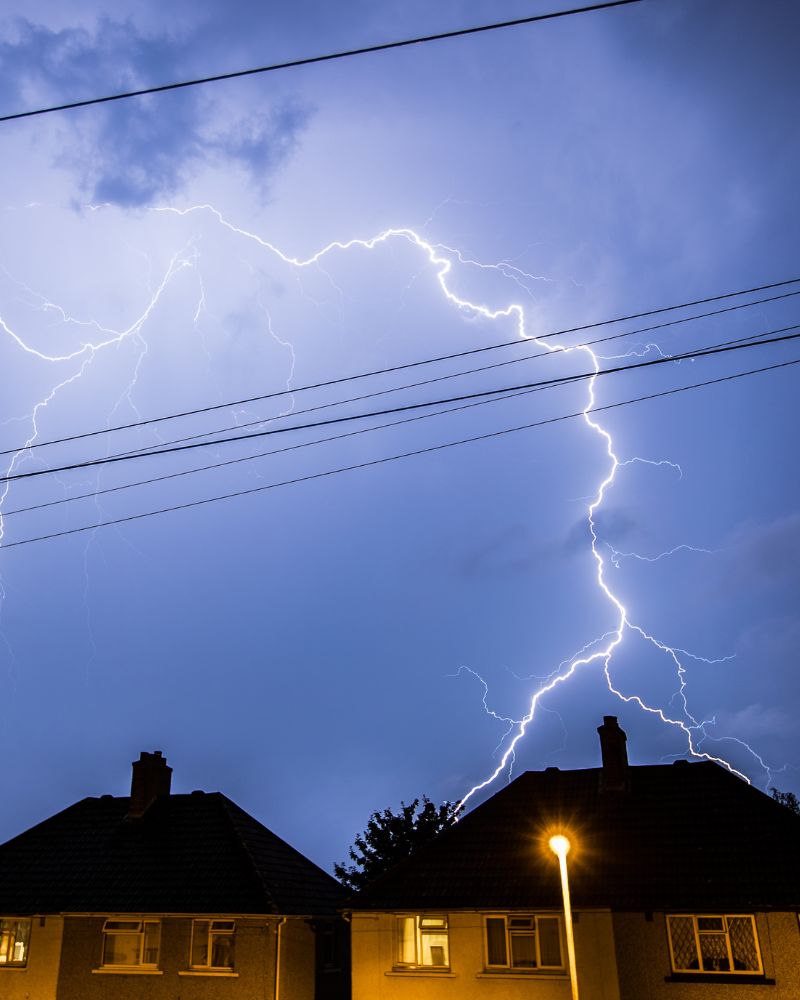
Myth #1: “Metal Roofs Attract Lightning”
Heard this one before? It’s a pretty common rumor that metal roofs somehow become lightning magnets. The reasoning usually goes something like, “Well, metal is conductive, so lightning must go straight to it.” In reality, lightning tends to aim for the tallest structure it can find, regardless of whether that structure is made of metal, wood, or even plain old shingles. In other words, a metal roof by itself doesn’t automatically put you at a higher risk for strikes.
Of course, it’s worth noting that if lightning were to hit your metal roof, that conductive property is actually helpful. The electricity would spread out across the metal surface before heading into the ground, which can reduce the potential for fire. Plus, metal isn’t flammable—an important safety bonus. So if you’re dreaming of the durability and style that come with a metal roof, go ahead and dream on! There’s no need to worry about turning your home into a lightning rod.
Myth #2: “Vinyl Siding is Completely Maintenance-Free”
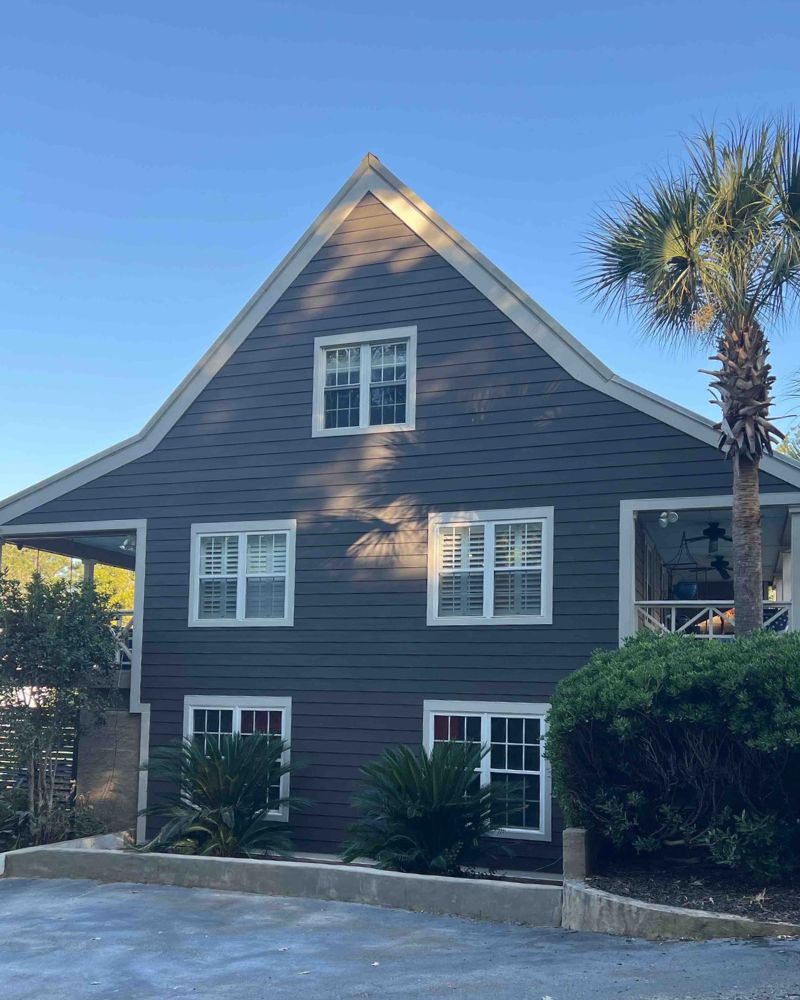
If you’ve ever overheard someone claim that vinyl siding “takes care of itself,” you’re not alone. It’s true that vinyl siding is easier to maintain compared to many other materials, but “maintenance-free” is a bit of a stretch. Think of it like a car: Even the most reliable models still need the occasional oil change or tire rotation.
For vinyl siding, regular attention means occasionally rinsing off dirt, pollen, and any mildew that might accumulate—especially in humid areas. A quick, gentle power wash or even a garden hose can do the trick. Inspecting for cracks, warping, or loose panels after storms can also help you catch minor issues early, before they turn into more costly repairs.
All in all, vinyl is an excellent option if you want a long-lasting, low-hassle solution. Just keep in mind that “low-maintenance” doesn’t mean you’ll never lift a finger again. A little TLC now and then goes a long way toward keeping your home’s exterior looking great!
Myth #3: “You Can Always Install New Shingles Over Old Ones”
This one has a certain logic to it—if you can avoid ripping off the old roof, you might save time, labor, and money. While layering shingles is allowed in some cases (check your local building codes), it’s not always a slam dunk. Stacking a new layer over an old one can hide potential problems like rotting wood or trapped moisture, making it harder to spot and fix issues before they worsen.
Another factor to consider is weight. Roofs are designed to handle a certain load, and adding too many layers can push those limits. Finally, if you ever need more extensive repairs down the road, having multiple layers can complicate the process (and hike up the cost).
So, is it possible to install new shingles over old ones? Yes, in limited circumstances. But the safer bet, especially if you want to ensure a long-lasting roof, is to remove the old material first and address any underlying concerns. Think of it as clearing the stage before the next performance—it’s much better to start fresh than risk covering up hidden trouble spots!
Myth #4: “Dark Roofs Automatically Lead to Higher Energy Bills”
We’ve all seen dark-colored roofs on hot summer days and thought, “Yikes, that thing must be roasting!” While it’s true that darker surfaces can absorb more heat, modern roofing technology has come a long way in helping mitigate this. Reflective granules, quality underlayment, and proper ventilation can make a big difference—even if you choose shingles on the darker side.
In fact, overall attic insulation and ventilation matter more to your home’s energy efficiency than roof color alone.
If your attic is well-insulated, the extra heat from darker shingles typically won’t reach your living spaces in a noticeable way. That’s why, when you’re deciding on a roof color, feel free to pick the shade you love. With the right materials and a properly installed system, you can enjoy both the style and comfort you’re after!
Myth #5: “Siding Doesn’t Affect Your Home’s Value”
Have you ever heard someone say that upgrading or replacing siding doesn’t really change what your home is worth? The truth is, first impressions matter—especially when it comes to real estate. Potential buyers form opinions the moment they see your property, and worn-out or outdated siding can have a bigger impact than you might think.
A fresh, well-maintained exterior signals that the rest of the home has likely been cared for, too. This can not only increase curb appeal but also speed up the sale process when it’s time to list. Plus, certain siding materials—like fiber cement or insulated vinyl—can boost energy efficiency, which adds value in the eyes of many buyers.
So if you’re deciding between an interior or an exterior upgrade, remember that good siding is more than just a pretty face—it’s a meaningful investment in your home’s longevity and overall worth.

Myth #6: “All Roofing & Siding Warranties Are the Same”
It’s easy to lump all warranties together, but major brands like James Hardie and GAF each have unique coverage that can really set them apart.
- James Hardie: Most fiber cement siding options include a 30-year non-prorated limited warranty, so you won’t see your coverage drop over time. If you go with ColorPlus® Technology, there’s typically a 15-year warranty on the finish that covers paint and labor.
- GAF Roofing: GAF’s standard limited lifetime warranty applies to many of their shingles, but you can also opt for more comprehensive plans—like the System Plus or Golden Pledge® warranties—that add extra coverage. Just note that these enhanced warranties often require installation by a GAF-certified or Master Elite® contractor.
Regardless of the brand, always double-check what’s actually covered (materials vs. labor), how long the coverage lasts, and whether any maintenance requirements could affect your claim. By reading the fine print, you’ll ensure you’re getting the best value—and the right protection—for your investment.
Conclusion
Thanks for sticking with us through these common roofing and siding myths! Whether you’re choosing materials, tackling maintenance, or just weighing your options for future projects, it helps to have the facts on your side.
Here are a few highlights to keep in mind:
- Metal roofs aren’t lightning magnets.
- Vinyl siding needs a little upkeep, not zero.
- Adding new shingles over old ones can hide issues.
- Proper ventilation and insulation matter more than roof color for energy efficiency.
- Siding can have a big impact on both curb appeal and resale value.
- Warranties from brands like James Hardie and GAF aren’t all alike—so check the details!
We hope this clears the air and gives you a clearer path forward when it comes to caring for your home’s exterior. If you still have questions or want advice on a specific product or project, our team is always ready to help. Drop us a line or give us a call, and we’ll make sure you get the information (and the peace of mind) you need!