Front Door Terminology and Styles Every Homeowner Needs to Know
Your front door is more than just an entryway into your home - it is a key design element that can make or break your home’s aesthetic.
Whether you’re renovating or building new, and want to maximize curb appeal, understanding the key terminology and design styles of front doors is the first step to making your choice!
From knowing the difference between a transom and a sidelight to selecting a door style that complements your home’s architecture, this guide will provide you with the knowledge you need to choose the perfect front door.
Door Terminology Every Homeowner Should Know
When shopping for exterior doors, you’ll come across a variety of terms that might seem confusing at first. Understanding the vocabulary will help you make a more informed decision and communicate better with your professional door installer. Here are the most common terms every homeowners should know:
Inswing vs. Outswing Doors
An inswing door opens inward (into the home), which is the most common for entry doors in the U.S. An outswing door opens outward, often used in areas prone to high winds or hurricanes for added security.
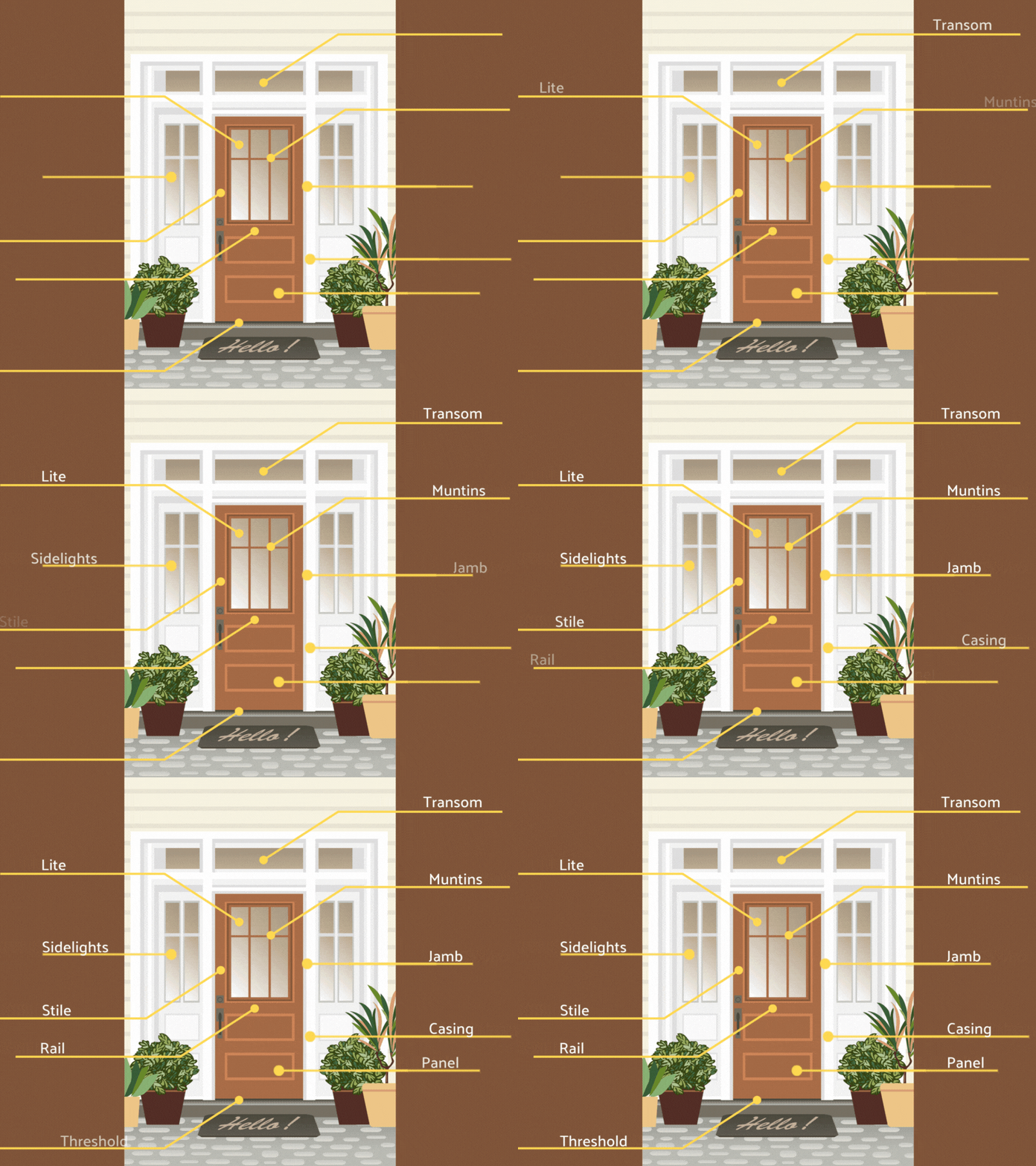
Transom
A transom is the narrow, horizontal window positioned directly above a door. It allows natural light to filter in while keeping privacy intact. Transoms come in various shapes, such as rectangular or arched, and can significantly enhance the architectural appeal of your entryway.
In South Carolina, fanlights are a type of arched transom which are often found in historic buildings and may include hinges so they can be opened.
Sidelights
Sidelights are narrow vertical windows on one or both sides of a door. These windows not only bring additional natural light into your entryway but also provide a more open, welcoming feel without compromising security. They can be clear or frosted for privacy.
Threshold
The threshold is the part of the door frame that sits at the bottom of the doorway, essentially bridging the gap between the exterior and the interior floor. It plays a vital role in sealing the door and preventing drafts, water intrusion, and pests.
Jamb
The door jamb is the vertical portion of the door frame that supports the door itself. It’s crucial for the door's structural integrity, ensuring it swings properly and securely locks in place. Reinforced door jambs are a key factor in maximizing your door’s security.
Casing
Casing refers to the decorative molding or trim that surrounds the door frame, both inside and outside the home. It covers the gap between the door frame and the wall, providing a finished, polished look.
Lite
A lite refers to any glass portion of a door. You might hear terms like "half-lite," "full-lite," or "quarter-lite" based on how much of the door is made of glass. Lites can vary in opacity and finish, allowing homeowners to choose between clear, frosted, or textured glass for added privacy without sacrificing light.
Stile and Rail
These are the vertical and horizontal structural elements that frame a door’s panels. The stiles run vertically along the edges of the door, and the rails run horizontally, often at the top, bottom, and sometimes across the middle.
Muntins
Muntins are the strips of material that divide and hold individual panes of glass in a multi-paneled door. This gives the appearance of multiple small windows within the door, providing a traditional or classic aesthetic. In modern doors, the appearance of muntins is often simulated, with a single pane of glass divided by applied grids.
Panel
A panel is a recessed or raised section of the door, contributing to its design and aesthetic appeal. Panels can vary in size and shape and are common in both traditional and modern door styles. Depending on the design, a door can have several panels that give it depth and texture.
Front Door Design Styles to Match Your Home’s Architecture
Your front door is more than just a functional element—it’s a key design feature that sets the tone for your home’s exterior. The style of your front door should complement your home’s overall architecture, enhancing curb appeal and reflecting your personal taste.
Here’s a breakdown of popular architectural designs and which door styles they work best with:
Traditional Style
- Description: Traditional front doors are typically characterized by raised panels, elegant hardware, and rich wood finishes. They often include decorative elements like glass inserts, sidelights, or transoms.
- Best For: Colonial, Georgian, Cape Cod, and Victorian homes. These doors enhance the timeless, classic look of these architectural styles.
- Popular Materials: Wood, or alternative material with wood grain finish.
- Design Elements: Symmetry is key in traditional styles, with multiple panels and ornate detailing.
Modern/Contemporary Style
- Description: Modern front doors emphasize clean lines, minimalistic design, and a sleek appearance. They often feature large, uninterrupted panes of glass or flat, smooth surfaces with little to no ornamentation.
- Best For: Mid-century modern, contemporary, and industrial homes. These doors complement homes with bold architecture and simple, geometric forms.
- Popular Materials: Steel, aluminum, glass, or fiberglass.
- Design Elements: Asymmetry, oversized handles, and pivot or sliding mechanisms are common in modern designs.
Rustic Style
- Description: Rustic doors exude a warm, natural aesthetic with a focus on raw, rugged materials. They often have a heavy, solid appearance with distressed finishes and wrought iron hardware.
- Best For: Log cabins, farmhouse, and Southwestern-style homes. These doors evoke a cozy, country feel which complements rural and nature-inspired homes.
- Popular Materials: Solid wood, especially oak, mahogany, or knotty alder.
- Design Elements: Arched tops, thick wooden planks, hammered metal hardware, and speakeasy windows.
Mediterranean/Tuscan Style
- Description: Mediterranean-style doors are often grand and ornate, with a heavy influence from Spanish and Italian design. They typically feature arched shapes, detailed ironwork, and rich, warm colors.
- Best For: Mediterranean, Tuscan, and Spanish-style homes, where the architecture draws from Southern European aesthetics.
- Popular Materials: Wood with wrought iron.
- Design Elements: Intricate iron scrollwork, large arches, and bold, dark finishes. Often include sidelights or decorative glass panels.
Lowcountry/Coastal Style
- Description: Typically features wide, welcoming doors with large glass panels to maximize natural light and connect indoor and outdoor spaces.
- Best For: Homes in coastal areas, especially around Charleston and the barrier islands.
- Popular Materials: Wood or fiberglass to resist moisture, often painted in soft, coastal colors like blues, greens, and whites.
- Design Elements: Double front doors, French doors, transoms, and decorative shutters.
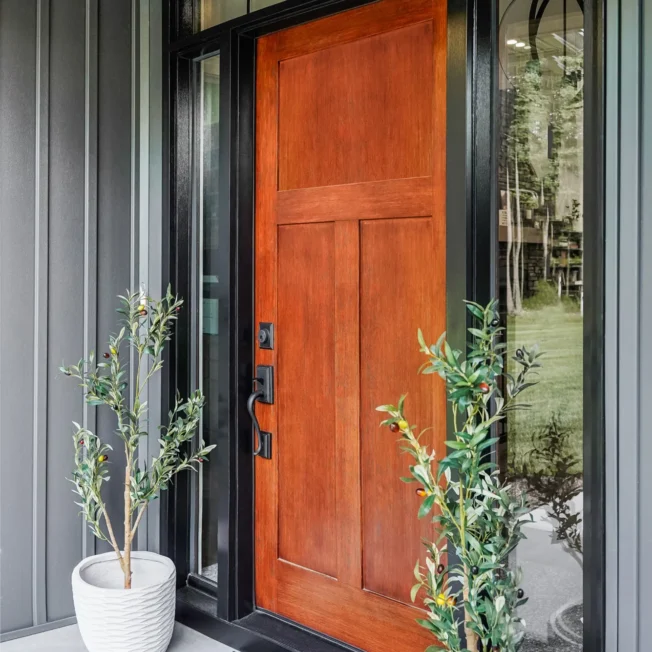
Craftsman Style
- Description: Craftsman doors are often solid and sturdy owing to the style’s emphasis on craftsmanship. These doors often feature glass panes in the upper third of the door and have a natural, handcrafted look.
- Best For: Craftsman, bungalow, and mission-style homes, where the focus is on simplicity, practicality, and artisanal details.
- Popular Materials: Wood, or alternative material with wood grain finish.
- Design Elements: Square or rectangular glass panels, often with divided lites, and thick, bold trim.
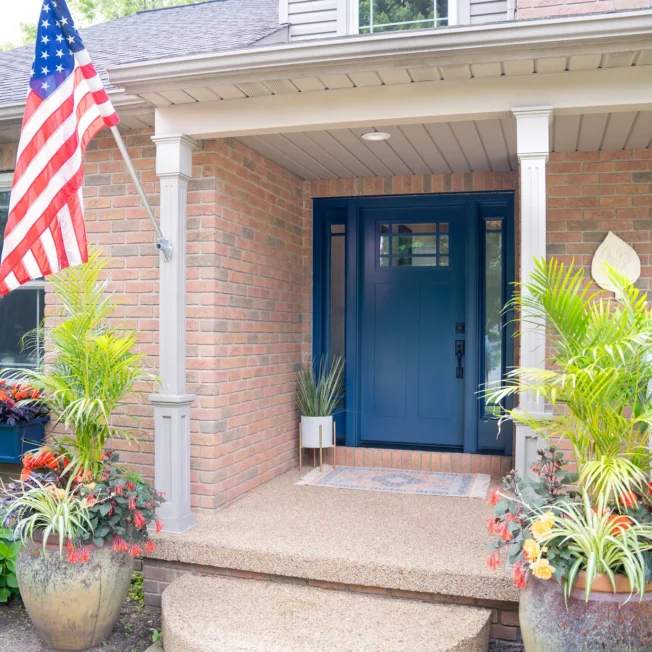
Greek Revival
- Description: Paneled doors framed by heavy molding, with sidelights and transoms to create a grand entrance.
- Best For: Historic homes in areas like Charleston and Columbia.
- Popular Materials: Wood, often painted in deep colors or white to match columns.
- Design Elements: Symmetry, bold trims, and ornate doorways.
Cottage Style
- Description: Cottage doors are often charming and quaint, emphasizing warmth and coziness. They feature simple designs with subtle decorative elements like curved tops, window grilles, or unique hardware.
- Best For: Cottage, Cape Cod, and beach-style homes. These doors blend seamlessly with homes that emphasize a relaxed, laid-back vibe.
- Popular Materials: Wood or composite materials with painted finishes.
- Design Elements: Soft pastel colors, arched or rounded tops, and playful details like small windows or decorative trim.
Victorian Style
- Description: Victorian doors are ornate and decorative, often featuring intricate carvings, stained glass, and bold colors. These doors add an element of grandeur to any home.
- Best For: Victorian, Queen Anne, and Gothic Revival homes. These doors complement highly detailed and dramatic architecture.
- Popular Materials: Solid wood with elaborate carvings or stained glass inserts.
- Design Elements: Intricate woodwork, bright or bold colors, and decorative glass with floral or geometric designs.
Charleston Single House
- Description: Tall, narrow homes with elegant wooden doors in rich colors like mahogany or black. Often complemented by fanlights or sidelights.
- Best For: Historic homes, especially in downtown Charleston.
- Popular Materials: Solid wood or wood-look fiberglass.
- Design Elements: Decorative molding, transoms, sidelights, and traditional wrought iron accents.
Farmhouse Style
- Description: Farmhouse doors are typically simple yet inviting, with a focus on practicality. The most iconic is the Dutch door, which splits horizontally to allow the top half to open independently from the bottom.
- Best For: Modern farmhouse, barn-style homes, and rural-inspired architecture. These doors offer a blend of nostalgia and functionality.
- Popular Materials: Wood or wood-like materials with painted or stained finishes.
- Design Elements: Crossbuck or X-patterns, large windows, and muted color palettes like whites, grays, or earthy tones.
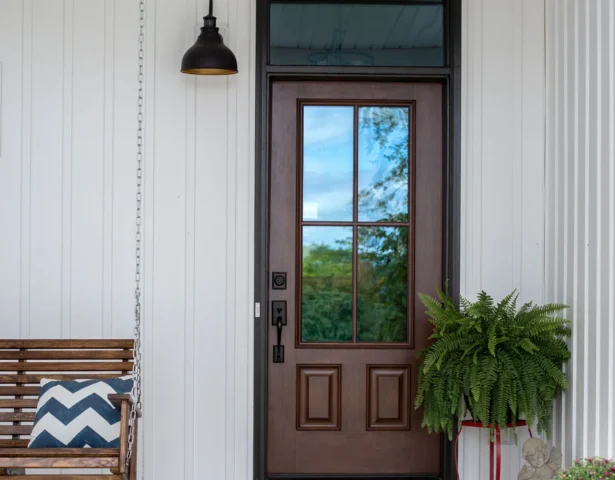
Plantation Style
- Description: Grand, solid-panel or double-hung doors with glass inserts to emphasize the stately nature of the home.
- Best For: Large estates or homes with Southern historical influences.
- Popular Materials: Mahogany or oak.
- Design Elements: Tall, grand doors, arched or rectangular transoms, sidelights, and decorative carvings.
Elevate Your Home’s Aesthetic with the Right Front Door
Choosing the right front door is about more than just functionality—it’s about enhancing the overall look of your home and making a lasting impression. By understanding key front door terminology and recognizing which design styles match your home’s architecture, you can ensure that your front door looks beautiful while complementing your home’s unique style.
Whether you're aiming for the classic appeal of a traditional door or the sleek simplicity of a modern design, the right front door seamlessly blends aesthetics with practicality. Now you’re ready to choose a door that boosts your home's curb appeal and adds value for years to come.