The Complete Guide to Choosing Quality Vinyl Siding for Your Columbia Home
If you're a homeowner in Columbia, SC or the surrounding Midlands area, you've probably noticed vinyl siding on countless homes throughout our neighborhoods. It's everywhere for good reason, vinyl has become America's most popular siding choice, covering roughly one-third of all homes. But here's what might surprise you: not all vinyl siding is created equal. In fact, the difference between budget vinyl and premium products can be as dramatic as the difference between a reliable daily driver and a luxury vehicle.
As we work with homeowners across Columbia, Lexington, Irmo, and beyond, we hear the same questions over and over: What makes one vinyl siding better than another? How can I tell quality vinyl from the cheap stuff? And perhaps most importantly, what should I actually expect to pay for good vinyl siding that will protect my home through our hot, humid summers and occasional winter storms?
Let's dive into these questions and arm you with the knowledge you need to make a smart decision about your home's exterior. After all, your siding isn't just about curb appeal (though that's certainly important). It's your home's first line of defense against everything our South Carolina weather can throw at it.
What Is the Very Best Vinyl Siding?
When homeowners ask us about the "best" vinyl siding, they're usually thinking about it like choosing between good, better, and best options at a restaurant. The reality is more nuanced than that. The very best vinyl siding for your Columbia home is the one that combines superior thickness, advanced weatherability features, and a profile that complements your home's architecture, all while fitting within your budget.
The highest-quality vinyl siding products on the market today feature several key characteristics that set them apart from budget options. First, they're thicker, typically measuring 0.046 inches or more, with some premium lines reaching 0.050 inches or beyond. This might not sound like much, but that extra thickness makes a world of difference when a summer thunderstorm rolls through with hail, or when your teenager accidentally throws a baseball too close to the house.
Premium vinyl siding also incorporates advanced color technology. Instead of having color applied just to the surface, the best products feature color that runs through the entire panel. This means that even if the siding gets scratched (maybe from that azalea bush that's gotten a bit too friendly with your wall), the scratch won't show a different color underneath. These top-tier products also include titanium dioxide and other UV inhibitors that help the color resist fading, even under our intense Carolina sun.
The best vinyl siding also features superior locking mechanisms and reinforced nailing hems. This might sound like technical jargon, but here's why it matters to you as a Columbia homeowner: these features keep your siding firmly attached to your house when those afternoon pop-up storms bring strong winds. We've all seen homes where vinyl panels have come loose or blown off entirely and that's often a sign of inferior products or installation, not an inevitable result of having vinyl siding.
What Is the Best Grade of Vinyl Siding?
The vinyl siding industry typically recognizes three main grades, though manufacturers might use different terms to describe them. Understanding these grades helps you make sense of the wide price ranges you'll encounter when shopping for siding.
The best grade for your home depends on several factors: your budget, how long you plan to stay in your home, your tolerance for maintenance, and even your home's exposure to weather. A house on a hill in Lexington that catches every thunderstorm might benefit more from premium grade siding than a home nestled in a protected neighborhood valley.
Is There a Difference in the Quality of Vinyl Siding?
The short answer? Absolutely. The differences in vinyl siding quality are substantial and affect everything from how your home looks to how well it weathers our South Carolina climate to how much maintenance you'll need to do over the years.
Let's start with the raw materials. Higher-quality vinyl siding uses virgin vinyl compounds rather than recycled materials. While recycling is generally good for the environment, recycled vinyl in siding can lead to inconsistent performance and premature brittleness. Premium products also include more titanium dioxide, which is expensive but crucial for UV protection. In Columbia's sunny climate, where we average over 210 sunny days per year, that UV protection isn't a luxury, it's a necessity.
The manufacturing process also varies dramatically. Top-tier manufacturers use co-extrusion processes that create multiple layers within each panel. The outer layer (capstock) contains the UV inhibitors and color technology, while the substrate provides structural strength. This sophisticated manufacturing results in siding that maintains both its appearance and structural integrity far longer than single-layer products.
Quality differences show up in the details too. Look at the panel ends of different products side by side. Premium siding has cleanly cut, uniform edges with consistent thickness throughout. Lower-quality products might have rough edges, variations in thickness, or a hollow, flimsy feel. These aren't just cosmetic differences, they affect how well the panels lock together and resist wind infiltration.
The warranty tells another story about quality. While warranty length matters, what's covered matters even more. Premium vinyl siding warranties often cover not just defects but also excessive fading, hail damage up to a certain size, and even labor for repairs. Some specifically address our regional challenges, like coverage for damage from wind speeds common in South Carolina storms.
Real-world performance differences are perhaps the most telling. We've seen budget vinyl siding start to fade noticeably within 3-5 years, especially on south and west-facing walls that catch the afternoon sun. Premium products on the same types of exposure often look nearly new after a decade. In terms of impact resistance, we've observed homes where hail left the premium siding unscathed while putting visible dents in economy grade products on the same street.
How Much Should I Pay for Vinyl Siding?
Now we're getting to the question that's probably been on your mind since you started reading. Vinyl siding costs in the Columbia area vary significantly based on the factors we've discussed, plus the size and complexity of your home.
For a typical 1,500-2,000 square foot home in the Midlands, you might see quotes ranging from $5,000 to $15,000 or more for complete vinyl siding installation. That's a huge range, so let's break down what drives these costs.
Materials: The siding itself typically represents 30-40% of your total project cost. Economy grade siding might cost $2-4 per square foot for materials, while premium products can run $4-8 per square foot or more. For perspective, a 1,500 square foot home has roughly 1,700-1,900 square feet of wall area to cover (accounting for gables and architectural features).
Installation Labor: This is where experience and expertise really matter. Professional installation typically runs $2-5 per square foot, depending on your home's complexity. Homes with lots of angles, dormers, or decorative elements take more time and skill to side properly. That Victorian in Shandon is going to cost more to side than a simple ranch in Irmo, even if they're the same square footage.
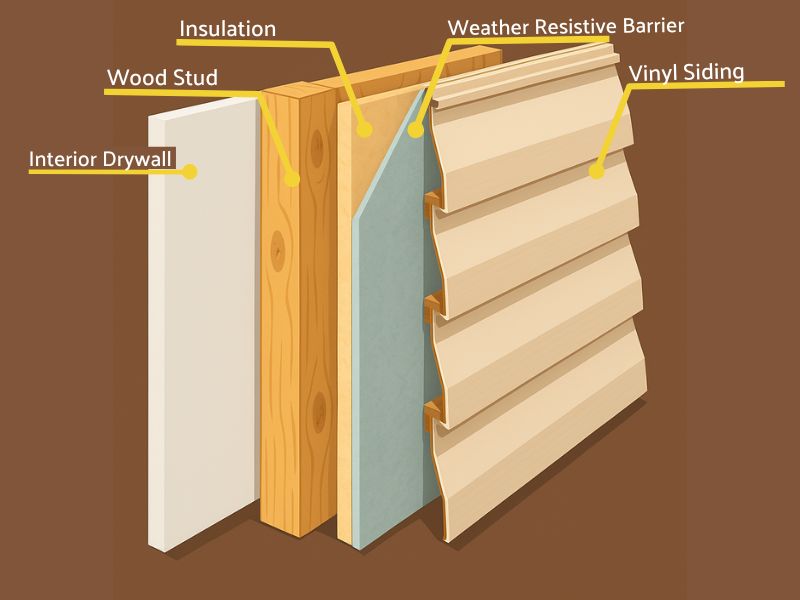
Additional Components: Don't forget about the extras. You'll need house wrap, insulation board (highly recommended in our climate), trim pieces, J-channels, starter strips, and possibly new soffit and fascia. These components can add $1,000-3,000 to your project but are essential for proper installation.
Removal and Disposal: If you're replacing existing siding, removal and disposal typically adds $1,000-2,000 to your project cost. Some contractors include this in their quote, while others list it separately, so always clarify.
Here's something many homeowners don't realize: the lowest bid isn't always the best value. We've seen too many Columbia homeowners choose the cheapest option, only to deal with problems a few years later from panels blowing off in storms, premature fading, or water getting behind improperly installed siding. Quality installation by experienced professionals might cost 20-30% more upfront but can save you thousands in repairs and early replacement.
Consider this real-world example: A homeowner in Forest Acres might get three quotes: $7,000, $9,500, and $12,000. The $7,000 bid uses builder-grade materials and a crew that can bang out the job in two days. The $12,000 bid uses premium siding with integrated insulation, includes new wrap and proper flashing around all windows and doors, and comes with a comprehensive warranty covering both materials and labor. Five years later, which homeowner do you think is happier with their choice?

Making Vinyl Siding Last in Columbia's Climate
Our local weather presents unique challenges for any siding material, and vinyl is no exception. Columbia's combination of high humidity, intense summer heat reaching into the 90s and occasionally topping 100°F, and sudden severe storms can test even quality vinyl siding. But with the right product and proper installation, vinyl siding can look great and protect your home for decades.
The key is choosing siding specifically engineered for hot, humid climates. Look for products with high heat distortion ratings and enhanced UV packages. The nailing pattern matters too – in our climate, panels need room to expand and contract with temperature changes. Too tight, and you'll see buckling in July. Too loose, and February's wind might work panels free.
Proper ventilation behind your siding is crucial in our humid environment. Without it, moisture can get trapped, leading to mold, mildew, and even structural damage. Quality contractors understand this and will ensure your home has adequate ventilation channels. They'll also pay special attention to sealing around windows, doors, and any wall penetrations which are common entry points for our wind-driven rain.
Your Next Steps
Choosing the right vinyl siding for your Columbia home isn't just about picking a color you like (though that's certainly important too). It's about understanding the quality differences that will affect your home's appearance, protection, and value for years to come. The very best vinyl siding combines substantial thickness, advanced UV protection, superior locking systems, and professional installation by contractors who understand our local climate challenges.
Remember, your siding is an investment in your home's future. While premium products cost more initially, their superior performance and longevity often make them the smarter financial choice for Columbia homeowners planning to stay in their homes.
At Rennison Roofing and Exteriors, we've been helping Midlands homeowners navigate these decisions for years. We understand that every home, budget, and situation is unique. We work with premium vinyl siding products that we trust to perform in our challenging climate, and our installation team has the experience to ensure your siding looks great and performs even better.
Ready to explore your vinyl siding options? We'd love to help you determine the best solution for your home and budget. Contact Rennison Roofing and Exteriors today for a free consultation and estimate. We'll assess your current siding, discuss your goals and budget, and provide honest recommendations based on what's truly best for your home and not just what's most expensive.