
The Columbia, SC Roof Inspection Checklist:
A 20‑Minute Walkaround
(No Ladder Required)
A roof inspection in the Midlands doesn’t have to involve a ladder. Most homeowners can spot common roof issues with a simple 20-minute walk-around from the ground. As you walk the perimeter of your home, keep an eye out for common red flags like missing or creased shingles, granules accumulating in downspouts, sagging rooflines, and damaged flashing around chimneys. If you observe these warning signs or find debris, like pine needles that trap moisture, take photos from the ground and schedule a professional evaluation. This proactive habit helps you catch small issues before they turn into costly leaks, specifically combating the heat, humidity, and storm wear common in Columbia, SC.

Why Roof Assessments Matter in Columbia, SC
Taking the time to look over your home’s exterior defense system is critical, particularly given the unique climate challenges we face here in the Midlands. Your roof doesn’t just sit up there - it expands and contracts with our heat and humidity. Understanding the specific local stressors helps homeowners appreciate why a simple ground-based check is so valuable.
The Midlands Climate Factor
Columbia is famously termed "famously hot" for a reason. The intense ultraviolet (UV) exposure we receive essentially bakes asphalt shingles. Over time, this heat causes the shingles to become dry and brittle. When you combine this with our high humidity, you generate an environment where roofing materials age differently than they might in cooler, drier climates.
A roof surface here can reach temperatures of 160°F or more on a summer afternoon. When a sudden afternoon thunderstorm rolls in, which is common in our area, the rain rapidly cools the surface. This rapid expansion and contraction cycle (thermal shock) stresses the structural matting of the shingles and the adhesion of the granules.
Storm Season Reality
Our region sits in a corridor that frequently sees the remnants of tropical systems, such as the impacts from hurricanes like Helene and Milton. However, it isn't just named storms that cause trouble. The Midlands is prone to severe convective storms that bring straight-line winds and hail. Even minor hail impact can dislodge granules, exposing the asphalt layer to direct UV radiation, which accelerates aging. Wind-driven rain can be forced up and under shingles that have lost their adhesive seal, leading to leaks that might not manifest as ceiling stains for weeks or months.
Moisture Control and Structural Health
The primary function of your roof is to shed water. When this function is compromised, even just a little, water enters the building envelope. In Columbia's humid climate, moisture that penetrates the roof deck does not dry out easily. It can become trapped in the attic insulation, reducing its R-value (thermal resistance) and encouraging the growth of mold and mildew.
A regular look-over from the ground helps you spot the external signs that suggest this internal defense might be failing.
Preventing "Small" Issues from Escalating
A single missing tab on a 3-tab shingle might seem cosmetic. However, that one missing piece exposes the nail heads of the shingle below it. These nails are not designed to be exposed to the weather. Once they rust, water seeps down the nail shank and into the decking. What starts as a minor shingle repair can evolve into a major deck repair and ceiling repaint if left unnoticed for a season. By performing this 20-minute walkaround, you aim to catch the "missing tab" before it becomes the "rotten rafter."
The Return on Investment (ROI) of Awareness
Statistics from the roofing industry indicate that proactive care can significantly extend the life of a roof system. While a full replacement in the Columbia area can cost between $7,000 and $25,000+, depending on materials and size, repairs caught early often cost a fraction of that amount. By performing a regular check, you are essentially paying yourself by deferring the massive capital expense of a full replacement.
Safety First: What NOT to Do
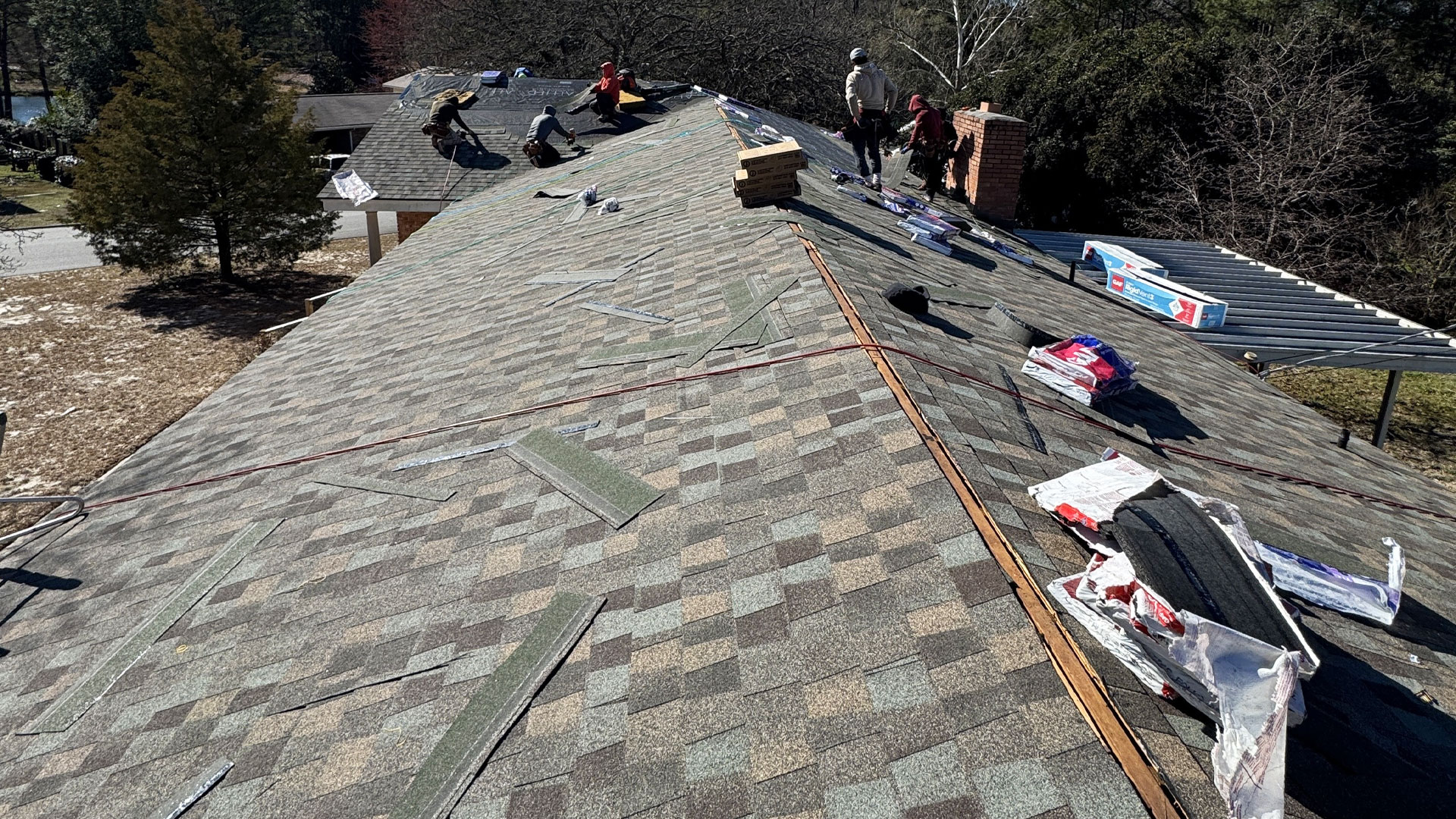
Before we begin the checklist, we must establish the boundaries of this activity. This guide is strictly a "no ladder required" protocol. The National Roofing Contractors Association (NRCA) and safety organizations strongly advise against homeowners climbing onto roofs, especially after storms.
Weather Conditions
Do not perform your walkaround during a storm or high winds. Wet surfaces, even on the ground, can be slippery. The best time for this assessment is on a clear, dry day when the sunlight is bright, aiding visibility. However, an overcast day can sometimes reduce glare and make it easier to see subtle color differences or stains on the roof surface.
Safe Tools
Instead of a ladder, we recommend using optical aids, like a pair of binoculars. They allow you to see the texture of the shingles and the condition of flashing from the safety of your lawn. Smartphone cameras with high-quality zoom lenses are also excellent tools, letting you snap a photo and zoom in later on a tablet or computer screen for a detailed look.
What You Can Check from the Ground vs. What Needs a Professional
It is important to understand the limitations of a ground-level assessment. You are looking for gross defects - obvious signs of distress. You are not performing a forensic engineering analysis.
Shingles
Safe to Check from Ground
Missing tabs, visible curling, large creases, color mismatch.
Usually Needs a Pro
Adhesion of seal strips, micro-cracking, granule loss percentage, nail placement.
Flashing
Safe to Check from Ground
Visible rust, large gaps, separation from brick/siding.
Usually Needs a Pro
Corrosion on the underside, proper lapping behind siding, condition of the underlayment.
Ventilation
Safe to Check from Ground
Crushed ridge vents, visible blockage of soffit vents.
Usually Needs a Pro
Attic temperature balance, intake/exhaust ratio calculation, baffle installation.
Structure
Safe to Check from Ground
Sagging ridgelines, bowing eaves.
Usually Needs a Pro
Rafter rot, decking softness, load-bearing capacity.
Leaks
Safe to Check from Ground
Stains on exterior fascia/soffit.
Usually Needs a Pro
Moisture mapping inside walls, infrared scanning for hidden wet insulation.
Chimney
Safe to Check from Ground
Spalling brick, missing cap, visible lean.
Usually Needs a Pro
Crown integrity (top view), flue liner condition, internal flashing details.
A Professional roofer will use specialized equipment and training to walk steep slopes safely. They check the "softness" of the decking by feel, which is something you cannot do from the ground. They also lift shingles (carefully) to check if the adhesive seal has failed, a common issue after high winds that is invisible from the street. If your ground check reveals nothing, but you have a nagging suspicion or a known leak, a professional evaluation is the next step.
The 20‑Minute Roof Inspection Walkaround (No Ladder)
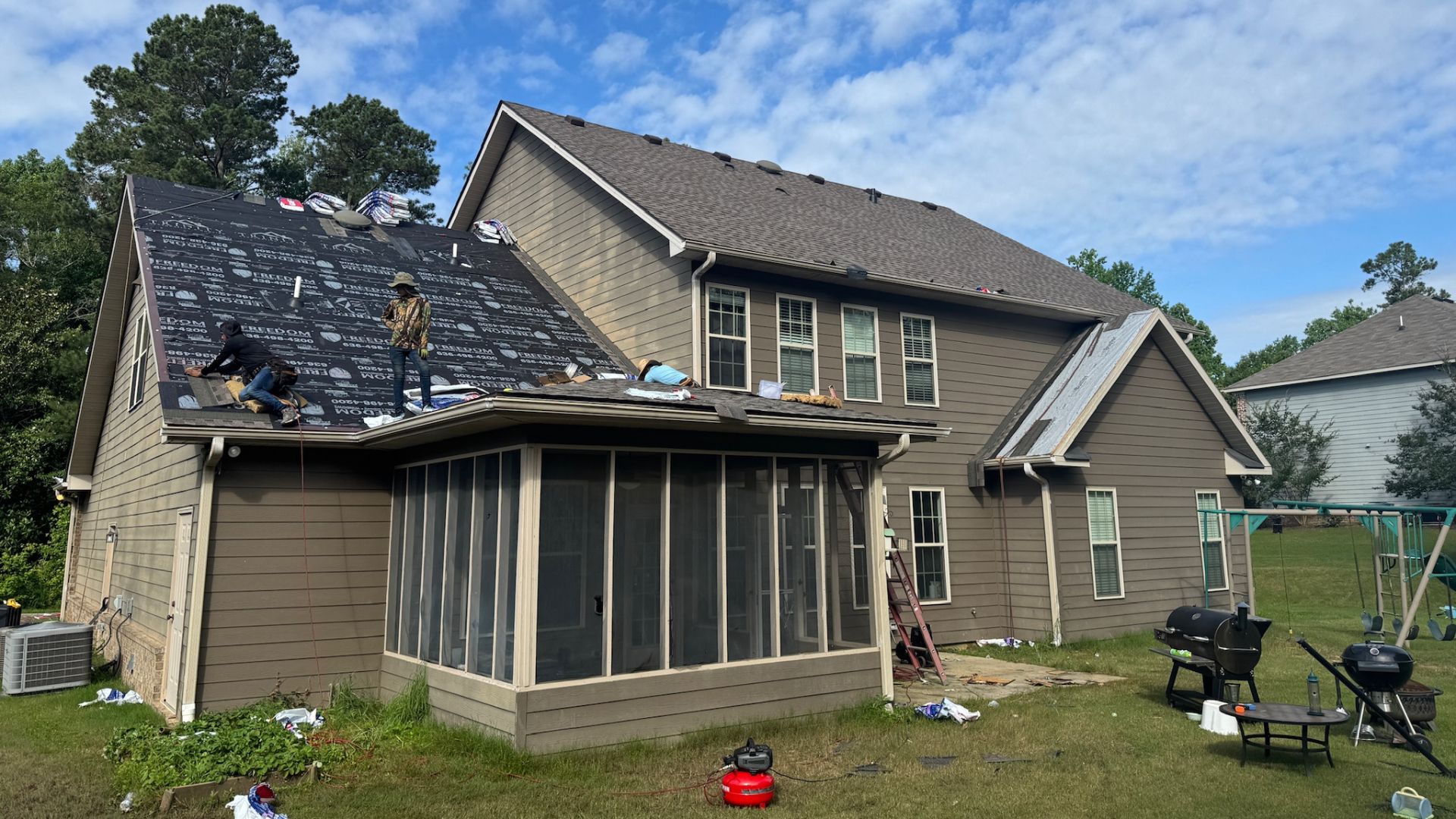
Set a timer for 20 minutes. This should not be an agonizingly long process. It is a quick health check. Move deliberately around the perimeter of your home. Stop at each corner and the center of each side to scan high (ridge), middle (slope), and low (eaves/gutters).
1) Overall Roofline & Ridge Line
What to look for: Stand back at the curb or the farthest point in your yard. Look at the very top line of the roof (the ridge). It should be straight and level.
Why it matters: A sagging ridge, or a "saddleback" look, can indicate serious structural issues, such as a broken ridge beam, decking failure, or foundation settling.
2-minute homeowner check: Hold up a straight edge (like a piece of paper) at arm's length to compare against the roofline.
What to photograph: A wide shot of the entire house from the street.
Watch vs Call a Pro:
- Watch: Very slight unevenness on an old historic home (might be settling).
- Call a Pro: Visible bowing, dipping, or if the roof looks like it is "smiling" or "frowning."
2) Missing, Lifted, Curled, or Cracked Shingles
What to look for: Dark patches (where shingles are missing), white lines on shingles (creases), or tabs that are curling up like a potato chip.
Why it matters: Shingles shield the waterproofing underlayment. When they curl or crack, UV rays destroy the underlayment, and water gets in. Creased shingles indicate wind damage where the shingle flapped up and down until it broke.
2-minute homeowner check: Use binoculars to scan the slopes, especially the sides facing prevailing winds or direct south- or west-facing sun.
What to photograph: Any spot that looks different in color or texture from the rest of the roof.
Watch vs Call a Pro:
- Watch: One slightly raised corner (monitor after next storm).
- Call a Pro: Any missing shingles, horizontal creases near the top of the shingle, or widespread curling.

3) Shingle Edges and Pattern Inconsistencies
What to look for: Look at the edges of the roof (rakes and eaves). Are the shingles lying flat? Do you see exposed nail heads?
Why it matters: Wind uplift often starts at the corners and edges. If the edge shingles loosen, the wind can get underneath and "zipper" the rest of the roof off during a big storm.
2-minute homeowner check: Focus on the corners where the roof meets the siding.
What to photograph: Close-ups of the roof corners.
Watch vs Call a Pro:
- Watch: Minor cosmetic unevenness.
- Call a Pro: Lifted edges that you can see daylight under, or exposed nails.
4) Flashing Areas (Chimney, Wall Intersections, Skylights, Vent Pipes)
What to look for: Metal strips around chimneys, vents, and where the roof meets a wall. Look for rust, gaps, or flashing that is physically pulling away from the brick or siding.
Why it matters: Flashing is the most critical waterproofing detail. If it rusts through or detaches, water pours directly into the walls.
2-minute homeowner check: Zoom in on the chimney. Is the metal rusted? Is there tar smeared everywhere (a sign of a bad past repair)?
What to photograph: The base of the chimney and any wall-roof intersections.
Watch vs Call a Pro:
- Watch: Dull metal (oxidation is normal).
- Call a Pro: Red rust, holes, or visible gaps between the metal and the structure.

5) Valleys (Debris Buildup, Uneven Lines, Staining)
What to look for: The "V" channels where two roof slopes meet. Look for piles of leaves/pine needles or darker coloration.
Why it matters: Valleys carry a high volume of water. Debris dams here act like a sponge, holding water against the shingles and causing leaks.
2-minute homeowner check: Check if the valley line is crisp and clear or cluttered.
What to photograph: Any debris piles in the valleys.
Watch vs Call a Pro:
- Watch: A few leaves (plan to clean them).
- Call a Pro: Heavy debris that has been there for months, or visible wear in the center of the valley.
6) Gutters & Downspouts
What to look for: Gutters pulling away from the fascia, vegetation growing in them, or water spilling over the sides.
Why it matters: Clogged gutters cause water to back up under the shingles (ice dams/debris dams) and rot the fascia board.
2-minute homeowner check: Walk the perimeter and look for overflow stains on the exterior of the gutter.
What to photograph: Any section of gutter that hangs lower than the rest.
Watch vs Call a Pro:
- Watch: Minor debris visible.
- Call a Pro: Gutters hanging by a nail, detached downspouts, or rot behind the gutter.
7) Granules or Roofing Debris
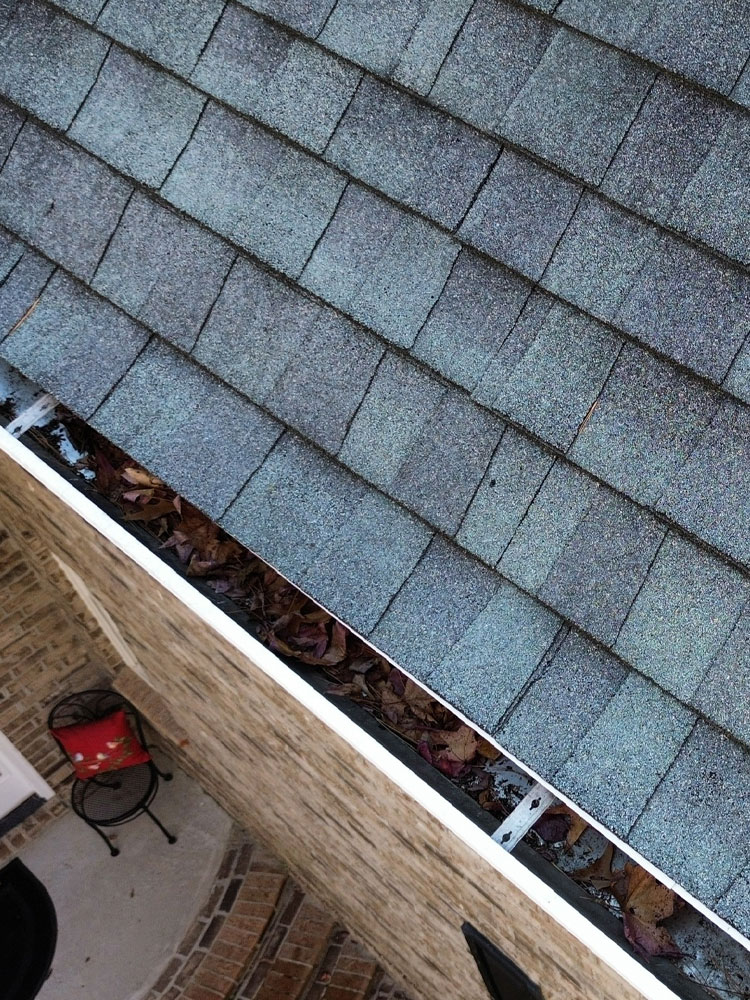
What to look for: Check the ground at the bottom of downspouts. Do you see a pile of black/grey sand?
Why it matters: Granules shield the asphalt from the sun. Excessive loss means the roof is nearing the end of its life.
2-minute homeowner check: Look at the splash blocks or driveway below downspouts.
What to photograph: Piles of granules in the splash block.
Watch vs Call a Pro:
- Watch: A teaspoon amount after a heavy rain.
- Call a Pro: Cups of granules, or if the shingles look "bald" and shiny black.
8) Fascia, Soffit, and Drip Edge
What to look for: The wooden boards right under the roof edge. Look for peeling paint, soft spots, holes, or squirrel chews.
Why it matters: This is the edge of the roof system. Rot here allows pests into the attic and weakens the gutter attachment.
2-minute homeowner check: Look up under the eaves. Are there holes?
What to photograph: Any area with peeling paint or holes.
Watch vs Call a Pro:
- Watch: Dirty soffits.
- Call a Pro: Wood rot, holes larger than a dime, or active pest entry.

9) Exterior Stains and Water Clues
What to look for: Stains on the siding or brick, specifically starting at the top near the roofline.
Why it matters: This indicates water is getting behind the gutter or "kicking out" improperly at the end of a roof-wall intersection.
2-minute homeowner check: Scan the siding for vertical water streaks.
What to photograph: Discolored siding near the roof.
Watch vs Call a Pro:
- Watch: Dirt/pollen.
- Call a Pro: Water stains that reappear after rain.
10) Debris, Limbs, Moss/Algae Streaks
What to look for: Tree limbs touching the roof, black streaks (algae), or moss clumps.
Why it matters: Limbs act like sandpaper in the wind. Algae (Gloeocapsa magma) eat the limestone filler in shingles. Pine needles trap acid and moisture.
2-minute homeowner check: Check for tree clearance.
What to photograph: Branches touching the roof.
Watch vs Call a Pro:
- Watch: Branches 3-4 feet away.
- Call a Pro: Branches resting on the roof or heavy moss growth.

Optional Bonus Checks
- Internal Ceilings: Walk through your upper floor. Look for brown spots on the ceiling. This is the most obvious sign of a leak.
- Attic (Safe Access Only): If you can safely peek into your attic, look for daylight showing through the roof boards (turn off the light). Look for dark stains on the wood rafters.
“After a Storm” vs. “Annual Maintenance” Assessment
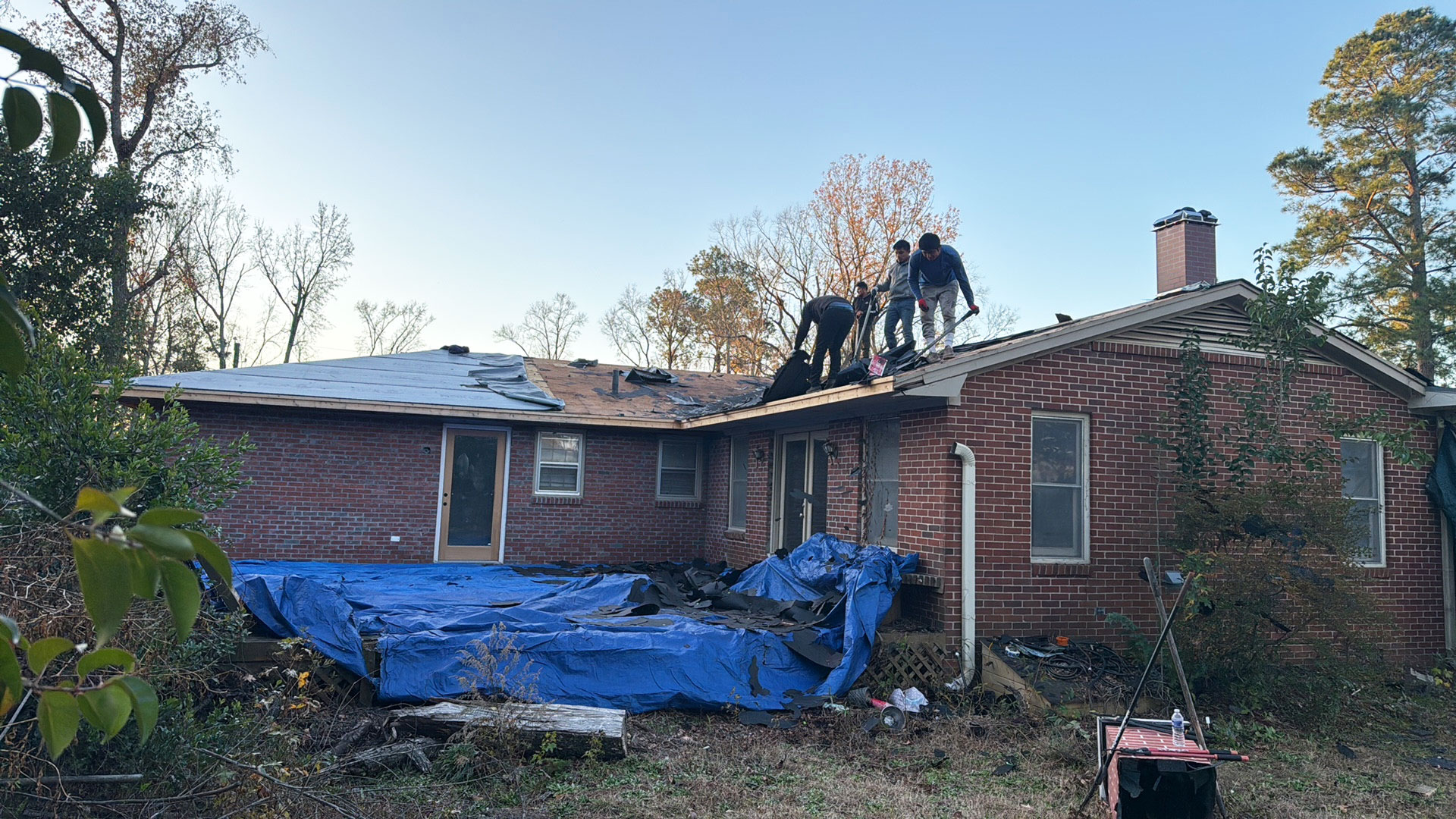
Different triggers require different checklists.
After a Storm (24-72 Hours Post-Event)
- Timing: Wait until the wind dies down and lightning has passed.
- Focus: Look for change. Debris that wasn't there before, shingles in the yard, and dented metal (gutters/vents), which suggests hail.
- Documentation: Photograph debris before you clean it up. This helps with insurance if needed.
- Key Action: Check for "impact bruises" on metal downspouts. If the soft metal of a downspout is dented, your shingles likely took a hit too.
Annual Maintenance (Spring/Fall)
- Timing: Ideally, when the weather is mild (Spring/Fall).
- Focus: Look for wear. Slow changes like curling shingles, fading color, or gradual granule buildup.
- Comparison: Compare your photos from last year. Did that moss patch get bigger? Is the rust on the chimney worse?
- Key Action: Plan for cleaning. This is the time to schedule gutter cleaning or tree trimming.
When to schedule a professional: If you find shingles in the yard, see large dents in your gutters, or spot a leak inside, call a professional. Do not wait. Water damage compounds quickly.
Photo Documentation Checklist
Documenting the condition of your home is one of the smartest things a homeowner can do. It establishes a baseline.
Labeling Tips
Don't just leave them in your camera roll. Organize them:
- Folder Name: "Roof Check - [Month]"
- File Naming: "Front_Slope_Zoom.jpg", "Chimney_Flashing.jpg"
Notes to Capture
- "Heavy storm with 50mph winds."
- "Noticed granules in the north-east downspout."
- "Tree branch rubbing on back porch roof."
What a No-Pressure Professional Roof Assessment Should Look Like
If your walkaround raises concerns, the next step is calling a professional. It is natural to be wary of high-pressure sales tactics. Here is what a proper, professional interaction should look like, based on industry best practices and the "neighborly expert" standard we value.
The Process
- Clear Scope: The roofer should ask what you saw and what your concerns are.
- The Check: They will get on the roof (or use a drone if unsafe). They should check the attic if accessible.
- Photos: A pro will show you photos of what they found. You should never have to take their word for it. They should show you the "bald" shingle or the rusted flashing on a tablet or report.
- Plain Language: They should explain findings in simple terms, not jargon.
The Recommendations
- Options: Unless the roof is actively failing everywhere, you should often see options such as "Monitor," "Repair," or "Replace."
- Written Summary: You should get a written report or estimate.
- No "Sign Now" Pressure: A reputable company knows you need time to think. Avoid anyone who says the "price is only good for today."
- Honesty: Sometimes, the answer is "It looks fine, just clean the gutters." A company that tells you not to buy a roof when you don't need one is a company you can rely on when you finally do.
Common Homeowner Mistakes to Avoid
Even with good intentions, homeowners can inadvertently damage their roof or put themselves at risk.
Χ Climbing up "just for a quick look": We cannot stress this enough - ladders are dangerous.
Χ Pressure washing shingles: Never pressure wash an asphalt roof. The high pressure strips the granules off immediately, aging the roof by years in seconds.
Χ The "Tar Fix": Smearing a tub of roofing cement (tar) over a leak is rarely a permanent fix and often traps water, making the rot worse.
Χ Ignoring Granules: Dismissing the sand in your gutters as "dirt."
Χ Delaying Action: Waiting "one more storm" to fix a known leak.
Χ Walking on a hot roof: If you do ignore advice and walk on the roof, doing it on a hot Columbia afternoon will scar the shingles as your shoes sink into the softened asphalt.
Your content goes here. Edit or remove this text inline or in the module Content settings. You can also style every aspect of this content in the module Design settings and even apply custom CSS to this text in the module Advanced settings.
Front-of-Fridge Checklist: 20‑Minute Roof Inspection Checklist (No Ladder Required)
Copy and print this section.
Date: ____________ Time: ____________ Weather: ____________
From the Street (Front/Back/Sides):
☐ Ridgeline: Is it straight? (No sagging/bowing)
☐ Shingles: Any missing, white-creased, or curling tabs?
☐ Fascia/Soffit: Any holes, rot, or peeling paint?
☐ Gutters: Are they securely attached? No plants growing?
Zoomed In (Binoculars/Camera):
☐ Chimney Flashing: Is it rusted or pulling away?
☐ Pipe Vents: Do the rubber boots look cracked?
☐ Valleys: Are they clear of heavy debris?
☐ Drip Edge: Is it tight against the roof line?
Ground Level:
☐ Downspouts: Are they connected and draining away from the house?
☐ Splash Blocks: Check for black/grey granules (excessive amounts).
☐ Siding: Any water stains near the roofline?
☐ Ground: Any shingles or shingle pieces found in the yard?
Attic/Interior (Optional):
☐ Ceilings: Any brown spots or peeling paint?
☐ Rafters: Any water stains or daylight showing through?
Notes:
____________________________________________________________________________
Frequently Asked Questions
How often should I check my roof in Columbia, SC?
We recommend doing this ground-based walkaround twice a year, typically in the spring and fall, and after any major storm event (hurricanes, hailstorms, or high winds).
What should I do right after a storm?
Wait for the storm to fully pass. Walk the yard to look for debris, shingles on the ground, or dents in your downspouts. If you see shingles on the ground or a tree limb on the roof, call a professional for a detailed assessment.
Is it normal to find granules in the gutters?
A small amount is normal, especially for a new roof (installation can leave loose granules) or a very old one. However, if you see a large accumulation (like a cupful) after a rain, it means your shingles are losing their protective coating and aging rapidly.
Can I tell if I have hail damage from the ground?
It is difficult. Large hail might dent your gutters or downspouts, which you can see. However, damage to the shingles themselves (bruising) is often invisible from the ground and requires a pro to identify.
What are the most common places roofs leak?
Leaks most often occur at "penetrations", places where things poke through the roof. This includes chimneys, vent pipes, skylights, and where the roof meets a wall.
Do I need a permit for roof repairs or replacement in Columbia?
Yes, generally. The City of Columbia and the surrounding counties (Richland and Lexington) require permits for roofing work, especially replacements. A reputable contractor will handle this paperwork for you.
How long should an asphalt shingle roof last?
In the South Carolina climate, a standard 3-tab shingle roof typically lasts 15-20 years. Architectural shingles can last 20-30 years. Metal roofs can last significantly longer.
When should I call a roofer instead of monitoring it?
Call a professional if you see missing shingles, active leaks, sagging, or if you are unsure about what you are seeing. It is always better to be safe than to face a major repair later.
When to Bring in a Professional
Your home is likely your biggest investment, and the roof is its first line of defense. By taking twenty minutes to perform this simple check, you are taking a huge step in caring for that investment. If your walkaround revealed some concerning signs or if it has simply been a few years since a professional took a look, we are here to help. We offer clear, honest recommendations without the pressure.
Homeowner Tip:
Create a "House Log" Folder: Keep a digital folder with your annual roof photos. When the time comes to sell your home, having 5 years of photos showing you cared for the roof is a massive selling point to buyers!
Maintenance Tip:
Check After Other Contractors: If you have the AC repairman, the chimney sweep, or the holiday light installer on your roof, do a quick ground check after they leave. Foot traffic is a common cause of accidental damage!

The “Why” Behind the Checklist
To fully understand why these checks are vital, we must look deeper into the materials and the environment of the Midlands.
The Material Science of Asphalt Shingles in High Heat
Most homes in Columbia utilize asphalt shingles. These consist of a fiberglass mat, an asphalt coating, and ceramic-coated mineral granules.
- Thermal Cycling: Columbia’s temperature swings can be extreme. A roof can go from 75°F at night to 150°F+ during the day. This expansion and contraction puts immense strain on the shingle. Over time, the asphalt loses its flexibility (volatiles evaporate), leading to thermal cracking. This is why the "check for cracks" step is vital.
- Granule Adhesion: The granules are not just for color; they block UV radiation. Asphalt breaks down rapidly under UV light. Once granules are lost (the sand in your gutter), the asphalt degrades, cracks, and allows water to reach the fiberglass mat. This is why granule loss is a "ticking clock" indicator.
The Biology of Roof Stains
Those black streaks you see on roofs in Lexington and Irmo are likely Gloeocapsa magma, a cyanobacteria.
- Why here? It thrives in warm, humid environments.
- Why it spreads? The bacteria form a dark pigment to shield themselves from UV rays (which is why the streaks are black). They feed on the crushed limestone filler used in modern shingles.
- The Impact: While often cosmetic initially, extensive growth can hold moisture against the shingle, accelerating aging. It also increases cooling costs by making the roof darker and hotter.
The Physics of Wind Uplift
During a storm, wind moving over your roof creates low pressure (lift), similar to an airplane wing (Bernoulli's principle).
- Vulnerability: The corners and edges of the roof experience the highest uplift forces. This is why our checklist emphasizes checking the drip edge and corners.
- The "Zipper" Effect: If the sealant strip on the edge shingle fails, the wind can get under it, pressurizing the underside of the shingle while the low pressure pulls from above. This can rip shingles off in rows. Catching a lifted edge early prevents this chain reaction.
The Mechanics of Water Intrusion
Water is persistent. It moves via gravity, but also via capillary action and wind pressure.
- Capillary Action: Water can be drawn up into narrow gaps between shingles or behind flashing. This is why debris in valleys is dangerous - it holds water against these gaps, giving it time to soak upward.
- Kickout Failures: A common failure point in Columbia is where a roof eave ends into a sidewall. Without a "kickout flashing" to divert water into the gutter, water runs down the siding, often rotting the sheathing behind the siding, and is only visible as a stain on the exterior wall.
Local Wildlife Factors
The Midlands has a healthy population of Eastern Gray Squirrels.
- Lead Boots: Squirrels in our area are notorious for chewing on the lead pipe boots (flashing) around plumbing vents. They gnaw on the lead to sharpen/wear down their teeth. This creates holes directly into the attic. This is why zooming in on vent pipes is part of the checklist.
- Pine Needles: Our abundance of Loblolly Pines creates "pine straw dams" in valleys and gutters. Pine needles are acidic and retain moisture, accelerating the corrosion of metal flashing and the degradation of asphalt.
By understanding the science behind the checklist, you move from simply "looking" to actively "assessing" the health of your home. This knowledge empowers you to make better decisions about repairs and care, confirming your home stands strong against the elements in Columbia.
Expanded Section: Understanding Flashing and Penetrations
Flashing is the unsung hero of the roof. While shingles cover 95% of the surface, leaks happen 90% of the time at the flashing.
- Materials: You will typically see aluminum, galvanized steel, or lead.
- Galvanic Corrosion: If you see a repair where two different metals touch (e.g., copper and aluminum), you might see white powdery corrosion. This is galvanic action and requires a pro to fix.
- Sealant vs. Flashing: A common mistake (mentioned in "Mistakes") is using caulk as flashing. Flashing sheds water mechanically (like a slide). Caulk relies on adhesion. Caulk will fail in the sun. If you see a chimney that is just slathered in caulk/tar rather than having metal steps, it is a leak waiting to happen.
The Economics of Roof Maintenance
Why bother with this 20-minute check?
- Asset Preservation: A roof replacement in Columbia can cost between $7,000 and $20,000+, depending on size and material. Extending that lifespan by 5 years through simple upkeep (cleaning gutters, fixing minor tabs) has a massive Return on Investment (ROI).
- Insurance Reality: Insurance covers "sudden and accidental" damage (storms). It rarely covers "wear and tear" or "neglect." If a leak is caused by 5 years of accumulated pine needles rotting a valley, your claim may be denied. Documenting your maintenance helps prove you were a responsible homeowner.
Final Thoughts on Safety
We cannot overstate the "No Ladder" rule. The NRCA and OSHA statistics on ladder falls are sobering. A roof walkaround is about detection, not intervention. If you detect a problem, the safest tool you have is your phone - use it to call a professional who has the ropes, harnesses, and training to go up there safely.
Schedule Your No-Pressure Roof Evaluation
Taking twenty minutes to walk around your home is one of the smartest investments you can make as a homeowner. It gives you a clear baseline of your roof's condition and helps you spot the specific effects of our Columbia weather before they turn into interior leaks. If your checklist highlights a loose shingle, a rusted flashing, or debris you can't reach, or if you simply want a professional opinion on what you have found, we are here to help.
At Rennison Roofing, we believe in honest, no-pressure assessments. We will help you understand exactly what your roof needs (and what it doesn't). Don't wait for a ceiling stain to tell you there is a problem. If you notice any issues during your walkaround, contact us today to schedule your professional evaluation.
Serving Columbia, SC, and the surrounding Midlands.

7126 Broad River Rd.
Irmo, SC 29063
Important Links
Open Office Hours
M – Th: 9 am to 5 pm
Fri: 9 am to 2 pm
Get in Touch
rre.office@rennisonroofing.com
(803) 728-6850
Copyright © 2015-2026 Rennison Roofing & Exteriors. • Sitemap • Supported and Designed by Cut Throat Marketing
Terms and Conditions
Privacy Policy